The First Signs Warranting a Diabetes Blood Test
April 10, 2026
Elevate Your Health with Expert-Led Weight Loss Services
May 20, 2026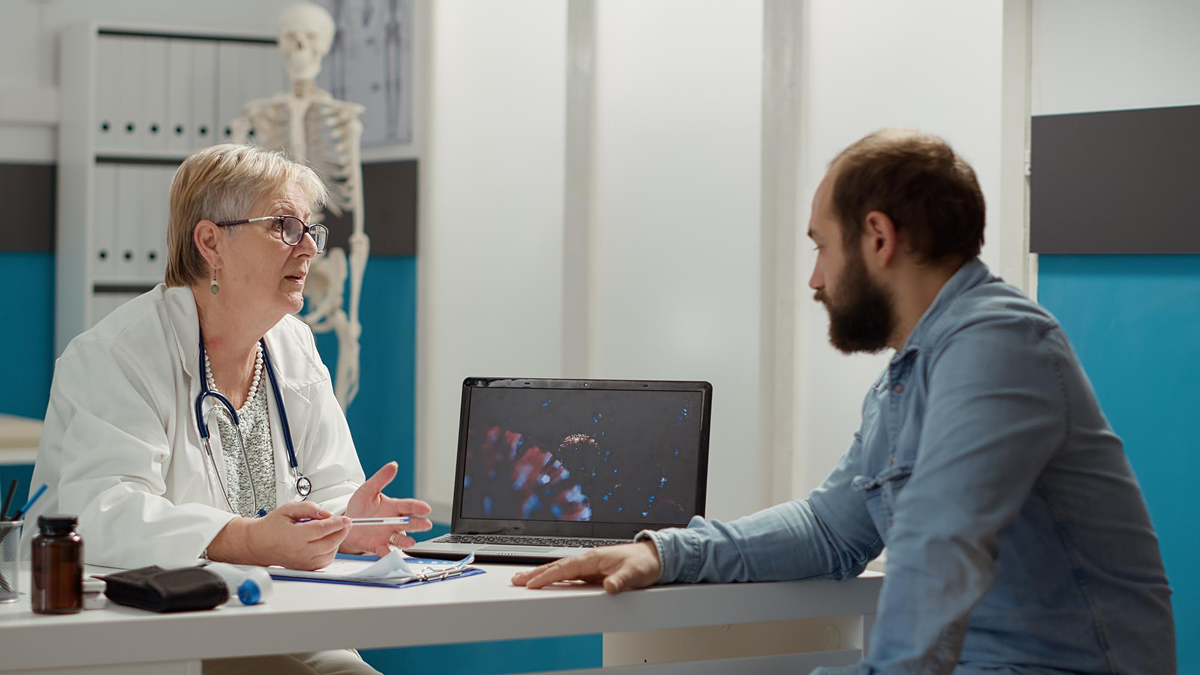
Healthcare can feel rushed, confusing, and fragmented today. Patients wait weeks to see a doctor, spend only a few minutes with them, and leave with more questions than answers. At the same time, chronic diseases, stress-related illnesses, and lifestyle diseases are growing rapidly around the world. This growing disconnect between patient needs and traditional care models is precisely why personalized healthcare is becoming one of the most important transformations in modern medicine.
Personalized care means focusing on the individual rather than giving everyone the same treatment plan. It takes into account genetics, lifestyle, medical history, habits, nutrition, mental health and even environmental factors before developing a treatment strategy. Picture it as a bespoke suit. One size fit all rarely fits perfectly, but customized tailoring makes you comfortable, precise and confident. Healthcare is the same way.
Why Traditional Healthcare Faces Difficulties Today
Today’s health care systems are under increasing pressure. Hospitals are overcrowded, doctors are overwhelmed and patients often feel like they are not being heard. Often treatment is only initiated when symptoms are acute. The reactive model often results in greater costs and poorer outcomes.
People living with diabetes, heart disease, obesity, autoimmune disease or mental health conditions often need ongoing advice, not just a quick visit. Unfortunately, traditional systems are not generally built for long-term, personalized support. In fact, many are now searching the internet for such phrases as “direct primary care near me” because they want better doctor-patient relationships, transparent pricing and health care that is focused on prevention rather than emergency intervention.
There is a growing demand for customized solutions, as consumers are no longer interested in healthcare focused on symptoms. They want health care that gets them.
The Principal Advantages of Tailored Care
Personalized Medicine: Amazing Ways It Is Changing the Patient Experience. It encourages a closer relationship between healthcare providers and patients and results in better outcomes through focused treatment plans.
| Benefit | How It Helps Patients |
| Tailored Treatments | Medications and therapies are matched to individual needs |
| Preventive Care | Early detection lowers long-term health risks |
| Better Patient Engagement | Patients become active participants in their care |
| Improved Accuracy | Data-driven insights reduce trial-and-error treatments |
| Stronger Doctor Relationships | More time and communication improve trust |
This method also includes the use of up-to-date technologies such as wearables, health monitoring apps, genetic testing and AI analytics. These tools enable doctors to detect patterns earlier and prescribe targeted interventions before conditions deteriorate.
For example, a person who has a genetic predisposition to high blood pressure can be counselled about lifestyle changes long before life-threatening complications develop. That proactive approach can also help stave off future hospital stays and medical costs.
Technology is Propelling the Personalized Healthcare Revolution
Technology is no longer just supporting healthcare, it’s transforming it. Telemedicine, digital diagnostics, remote monitoring and electronic health records are bringing more personalized care to more people than ever.
Today, wearable fitness trackers are monitoring sleep quality, heart rate, oxygen levels and stress patterns in real time. This data can help doctors make highly personalized recommendations instead of just relying on periodic office visits.
Artificial intelligence is also playing a growing role. AI can analyze huge amounts of medical data in seconds, helping doctors discover hidden risks and suggest personalized paths for treatment. Just decade ago, this level of precision was nearly impossible.
Another breakthrough area is genomic medicine. Doctors can analyze a patient’s DNA and predict how certain drugs may affect them. This reduces side effects and makes treatment more effective. Instead of trying multiple prescriptions, healthcare providers can make better choices right away.
The result is a healthcare experience that is less mechanical and more human.
Why Personalised Medical Models Are Becoming More Popular Among Patients
Patients want access, transparency and relationships with providers that matter. There is a move away from rushed clinical encounters, with many trying alternatives that stress communication and continuity of care.
This shift is why models for personalized care are growing fast in the healthcare industry. Patients like to see doctors face-to-face, have longer appointments, and receive care plans built around their goals, not one-size-fits-all protocols.
There is also a growing recognition that prevention is far more powerful than reaction. Personalized care promotes healthier habits, regular screenings, nutritional changes, and mental wellness support before serious illness develops.
There is growing agreement among healthcare experts that providing personalized care can lead to higher patient satisfaction and better public health outcomes in the long run. Research from the National Institutes of Health shows patient-centered and preventive approaches can help lower healthcare costs and improve quality of life.
Final Thoughts
The world of healthcare is changing because patients want more than quick diagnoses and quick fixes. They want care that listens to them, is flexible and supports them at every stage of their life. Personalized healthcare uses advanced technology, preventive strategies and improved doctor-patient relationships to tackle many of today’s medical challenges, offering just that. As more & more people begin to search for a superior healthcare experience via options like direct primary care near me, personalized models will continue to shape the future of modern medicine with smarter, more compassionate care.
FAQs
What is personalized healthcare?
Personalized healthcare is a medical approach that customizes treatments, prevention strategies and wellness plans to an individual’s unique genetics, lifestyle and health history.
How does personalized medicine improve the outcomes of treatment?
It helps doctors choose targeted therapies and medications based on patient specific data, decreasing trial and error treatments and enhancing effectiveness.
Is personalized medicine expensive?
Some of the more advanced services may be more expensive initially but personalized care often reduces overall health care costs in the long run by preventing serious illness and unnecessary treatment.
Why are more people turning to direct primary care services?
Many patients want longer appointments, better communication, transparent pricing, and long-term relationships with providers, things that traditional systems often don’t provide.
Is technology really making healthcare more personal?
Yes. Wearables, AI, telemedicine and genetic testing assist doctors to understand patients’ needs better and develop customized treatment plans.