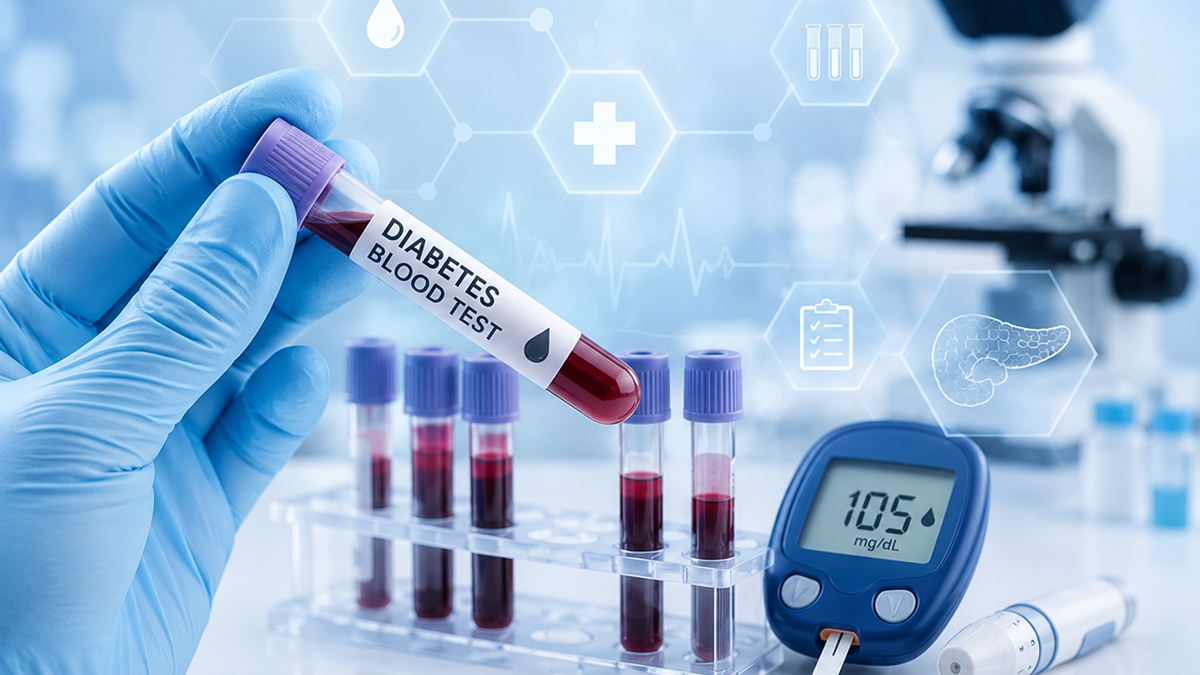
Diabetes Blood Test Guide: Types, Results & What They Mean
July 21, 2026
Why “Eat Less, Move More” Isn’t Always Sufficient to Lose Weight
September 29, 2026
A medical appointment can end before you finish explaining the problem you have been experiencing. In the case of a simple issue, a brief visit might be sufficient, but health situations are by no means simple, since sleep, nutrition, stress, medications, family history, preventive care requirements, and chronic disorders can all have an effect on the same symptom.
That is the reason why it is important to have a good quality of conversation; a personalized approach enables clinicians to get to know the individual behind the diagnosis and to draw up a plan suitable for real life.
The Time Problem in Primary Care
The idea of the “15-minute visit” is not just an attractive slogan. A study looking at U.S. primary care visits showed that the median duration of a physician’s visit was 15 minutes and the average was 18.9 minutes. Another nationwide study later arrived at a median physician visit time of around 18.9 minutes, there being a great deal of variation between different clinicians. Although these figures don’t indicate that each appointment lasts 15 minutes, they do demonstrate how quickly clinical time can become limited.
Primary care also has to deal with more complicated needs. According to the CDC in 2026, three out of every four adult Americans have at least one chronic condition, and more than half have two or more. In cases where several health problems overlap, a simple checklist won’t give the full picture.
What Individualized Care Looks Like
It’s not just a matter of spending more time in the examination room to have personalized healthcare; it’s about making that time more meaningful.
The process begins with listening; the clinician looks at the symptoms, the patient’s goals, their medical history, lifestyle, medications, and risk factors. With this more comprehensive view it is possible to detect patterns and work out what should be addressed now or at a later date.
This also involves shared decision-making. As the Agency for Healthcare Research and Quality states, shared decision-making is a collaborative process in which both patients and clinicians take into account evidence, clinical expertise, and the patient’s values, goals, preferences, and circumstances when making healthcare decisions together. The AHRQ says that shared decision-making can lead to greater patient engagement and enhance the care experience.
From “Treat the Problem” to “Understand the Person”
Suppose there are two individuals who have the same high blood pressure reading. One of them might be having trouble with sleep and be consuming a high amount of sodium. The other could be on a medication which should be looked at. A third person might have a family history which alters the discussion regarding long-term cardiovascular risk.
The figure on the screen is unchanged. The following step might not be.
It is important here to have continuity. If patients have a continuous relationship with their primary care clinician, then each visit can take into account the earlier conversations, the laboratory results, the screenings, and the patients’ responses to treatment. The approach of primary care stresses the importance of long-term partnerships, ease of access, comprehensive care, and coordination throughout the health system.
Why Direct Primary Care Gets Attention
It is important for those who are looking up “direct primary care near me” to understand what the model involves. According to the American Academy of Family Physicians, direct primary care is a method of payment and a way of running a practice whereby patients pay the practice directly by means of regular fees in order to receive a set of primary care services. While DPC practices can provide longer visits, better access, and coordinated care, the specific services and fees will differ from practice to practice.
The appeal usually lies in the chance to establish a different type of relationship in which prevention, the management of chronic conditions, and long-term objectives can be dealt with more deliberately.
What Patients Can Expect
The primary care experience should enable patients to understand what is going on, the reason for the recommendation, and what will happen next.
This may involve looking at the risk factors, talking over preventive screening, explaining the different options, setting achievable goals, and arranging a follow-up plan. The aim is not just to complete the appointment but to make better-informed decisions that promote health in the long term.
Frequently Asked Questions
What is meant by personalized care?
This method takes into account an individual’s symptoms, medical history, way of life, objectives, preferences, risk factors, and current health requirements when putting together their care.
Isn’t a visit of fifteen minutes always too brief?
It doesn’t have to be so. A brief visit can be suitable in the case of a specific issue. The difficulty arises when several symptoms, chronic diseases, medications, or preventive requirements need to be discussed.
What is meant by direct primary care?
Direct primary care is a system that allows patients to pay a practice directly by means of a monthly, quarterly, or annual fee in order to access a set of primary care services, the range of services varying from practice to practice.
Can individualized primary care help when it comes to prevention?
It enables prevention by providing the opportunity to review risk factors, talk about screening, deal with lifestyle changes, and keep an eye on health trends over time.
Conclusion
Good healthcare involves more than just fitting in another appointment within a crowded schedule; it is about getting to know the whole person, leaving time for important questions, and arranging a kind of care that can develop as your health needs do. When patients are looking into personalized healthcare or trying to find “direct primary care near me”, the main point to consider is whether the care model provides you with enough time, attention, and continuity so that you can be heard and take part in the decisions that affect your health.