
Menopause Treatment: Symptoms, Relief Options, Hormone Therapy & Expert Care Guide
July 20, 2026
Beyond the 15-Minute Visit: Why Personalized Healthcare Matters
September 29, 2026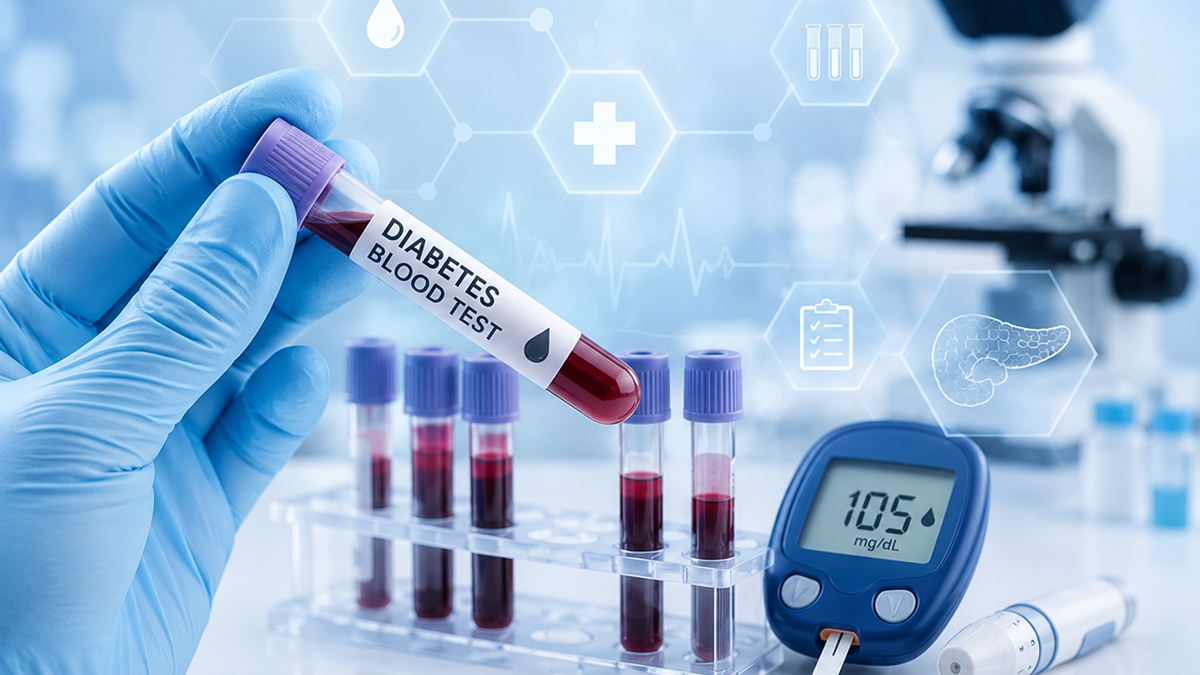
Diabetes is one of the world’s fastest-growing health problems, affecting millions of people each year. The good news is that if it’s caught early, it can be prevented from causing serious complications like heart disease, kidney damage, nerve problems, and loss of vision. One of the most reliable ways to detect diabetes, monitor blood sugar levels, and catch prediabetes before it causes serious symptoms is with a diabetes blood test.
If you are feeling thirstier than usual, urinating more frequently, experiencing unexplained fatigue, or simply want to be proactive about your health, knowing what your testing options are is the first step to better wellness. Looking for a diabetes blood test in Columbus, Ohio, or a diabetes blood test in Westerville, Ohio? Choose physician-guided screening for accurate results and personalized care.
Why Is a Diabetes Blood Test Important?
Many people have diabetes or prediabetes for years without knowing it, as early symptoms can be mild or absent. A blood test for diabetes can detect abnormal levels of blood glucose before they lead to long-term health problems.
Early testing offers many benefits:
- Prediabetes: Early Detection
- Type 1, Type 2, and gestational diabetes diagnoses
- Monitoring the success of diabetes therapy
- Helps lower the risk of serious complications
- Helps with better lifestyle choices and medication choices
Screening is especially important if you have a family history of diabetes, are overweight, have high blood pressure, or are older than age 35.
Common Types of Diabetes Blood Tests
Depending on your symptoms, medical history, and risk factors, your health care provider will order different blood tests.
1. Fasting Blood Sugar (FBS) Test
The fasting blood sugar test measures the amount of glucose in your blood after an overnight fast.
Typical Properties:
- Normal: < 100 mg/dL
- Prediabetes: 100-125 mg/dL
- Diabetes: 126 mg/dL or higher (confirmed on a repeat test)
It is one of the more commonly recommended screening tests.
2. Hemoglobin (A1C) Test
The A1C test tells you your average blood sugar level for the past 2 to 3 months.
Typical Properties:
- Normal: Under 5.7%
- Prediabetes: 5.7%–6.4%
- Diabetes: 6.5% or greater
The A1C test is typically used for diagnosis and for ongoing monitoring because it reflects long-term glucose control.
3. Random Blood Glucose Test
This can be done at any time, unlike a fasting test that has to be done when you haven’t eaten.
If your blood sugar level is 200 mg/dL or higher and you have symptoms of diabetes, you might have diabetes.
4. Oral Glucose Tolerance Test (OGTT)
This test measures how well your body handles sugar after you drink a glucose solution.
Commonly used for:
- Pregnancy-related diabetes mellitus (GDM)
- Evaluation of prediabetes
- Diabetes diagnosis
This test measures your blood sugar before and after you drink the glucose drink.
What do your diabetes blood test results mean?
Knowing your results means you can make smarter health decisions.
Typical Results
You have a normal blood sugar level. It can stay that way with regular exercise, balanced nutrition, and routine screenings.
Pre-diabetes
Prediabetes means your blood sugar levels are higher than normal, but not high enough yet to be diagnosed as diabetes.
Lifestyle changes such as the following:
- Excess Weight Loss
- Eating foods rich in nutrients
- Additional exercise
- Cutting down on sugar
often delay or even stop Type 2 diabetes.
Diabetes
A diabetes diagnosis doesn’t mean your health is out of control. Many people can successfully manage diabetes and lead active lives with the help of a doctor to guide treatment, taking medication when needed, eating healthy, and routine monitoring.
Who Should Get Tested?
Health professionals recommend screening for diabetes in people who:
- Are 35 years or older
- Have obesity or excess body weight
- Family history of diabetes
- Be very thirsty or urinate a lot
- Feel very tired
- Have high cholesterol or high blood pressure
- Having polycystic ovary syndrome (PCOS)
- History of gestational diabetes
Even if you feel well, preventive screening can detect hidden health risks early.
How to Prepare for Your Test
Preparation depends on the type of test ordered:
For fasting blood glucose:
Don’t eat or drink anything but water for 8 to 12 hours.
Continue your medication as directed by your healthcare professional.
For A1C or random glucose:
Usually, no fasting is necessary.
Following your provider’s instructions will help ensure the most accurate results.
What Happens After the Test?
Your health care provider will review your results carefully and explain their meaning to you.
Based on your numbers, they could imply the following:
- Lifestyle changes
- Nutrition Counseling
- Weight control strategies
- Additional diagnostic tests
- Routine monitoring
- Medicine if necessary
Personalized care means that your treatment plan is tailored to your individual health needs, not a one-size-fits-all approach.
Why Choose Physician-Guided Diabetes Screening?
Professional evaluation goes far beyond lab numbers. Screening under the guidance of a physician helps you understand your underlying risk factors, clearly explains your results, and creates a personalized plan to protect your long-term health.
If you are looking for a diabetes blood test in Columbus, Ohio, or a diabetes blood test in Westerville, Ohio, you will get a comprehensive evaluation that focuses on prevention, early diagnosis and continued wellness, not just reporting the numbers.
Final Thoughts
One of the most valuable and yet simplest tools to protect your long-term health is a diabetes blood test. Early detection means that you can make the right decisions, start treatment faster when it is needed, and substantially reduce the risk of future complications. Whether you are experiencing symptoms or you just want a preventive screening, testing at the right time can make all the difference.
If you’re looking for a trusted diabetes blood test in Columbus, Ohio, or a diabetes blood test in Westerville, Ohio, physician-guided care provides accurate testing, expert interpretation, and personalized recommendations to help you stay healthier for years to come.
FAQs
1. What is a diabetes blood test?
A diabetes blood test checks blood glucose levels to help diagnose diabetes, find prediabetes, or check how well diabetes is being controlled.
2. Which diabetes blood test is the most accurate?
They often use the hemoglobin A1C test because it gives you a look at your average blood sugar level for the past two to three months. Your provider might also suggest a fasting blood sugar or an oral glucose tolerance test.
3. Do I need to fast before a diabetes blood test?
Some tests, like the fasting blood sugar test, require that you fast for a period of 8-12 hours. The A1C and random blood sugar tests typically do not require fasting.
4. How often should I have a diabetes blood test?
Adults 35 and older should have regular screening, and those with multiple risk factors may need to be tested more frequently, as advised by a healthcare provider.
5. What are the warning signs that I should get tested?
Symptoms may include excessive thirst, frequent urination, unexplained weight loss, blurred vision, slow healing wounds, fatigue and increased hunger.
6. Can a diabetes blood test detect prediabetes?
Yes. Blood tests for diabetes can detect prediabetes early so you can make lifestyle changes that may prevent type 2 diabetes.
7. How long does it take to receive diabetes blood test results?
Most results are available within 24 – 48 hours. Timing will depend on the laboratory and on the specific test performed.
8. Can diabetes be prevented after abnormal blood test results?
In many cases, people who are identified with prediabetes may decrease their chances of getting Type 2 diabetes by eating healthy, exercising regularly, managing their weight, and following a doctor’s advice.
9. Is a diabetes blood test painful?
The test is a simple blood draw from your arm. Most people just feel a bit uncomfortable for a few seconds.
10. Why choose physician-guided diabetes screening?
With physician-guided screening, you will receive an accurate diagnosis, expert interpretation of your results, personalized treatment recommendations, and ongoing support to help you successfully manage or prevent diabetes.
Related posts