
Ultimate Guide to Cardiac Stress Testing for Heart Disease Detection
March 19, 2026
How Biometric Screening Promptly Identifies Silent Health Problems
April 10, 2026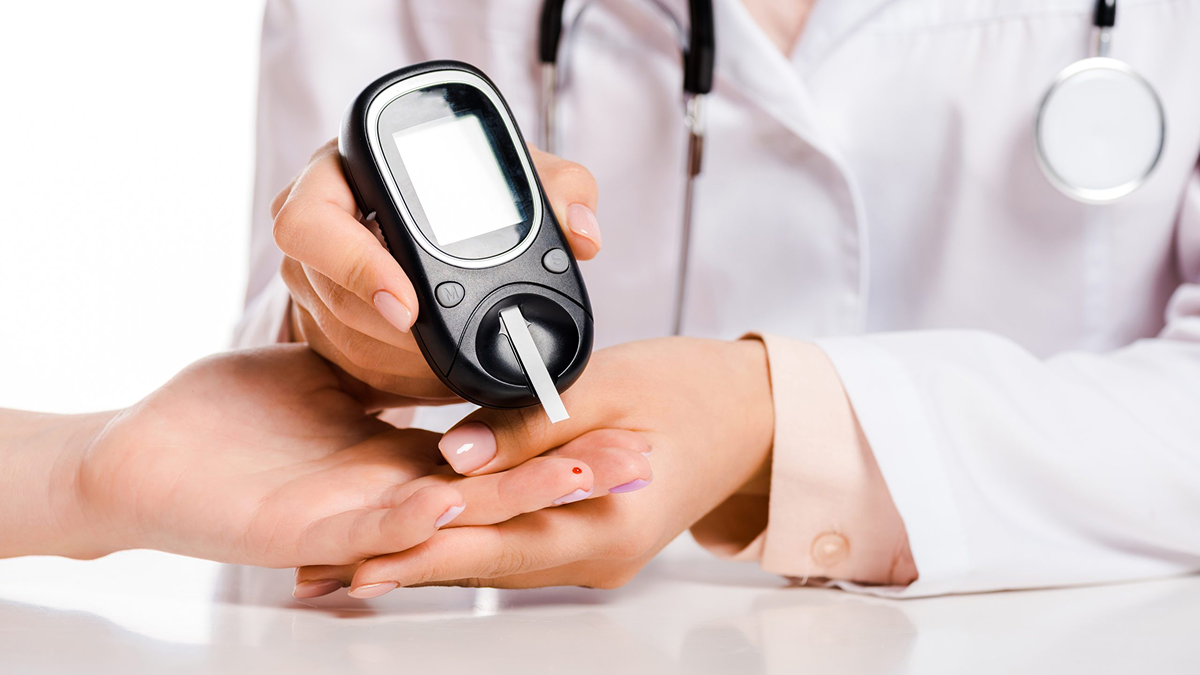
What Your Body Is Trying to Tell You
We have all experienced that subtle intuition, the feeling that something is not quite right, even if it is not “wrong” enough to cause immediate alarm. It might manifest as an unquenchable thirst or a lingering fatigue that a full night’s rest simply cannot fix. Too often, we dismiss these shifts as the byproduct of a stressful week or the natural process of aging. However, these quiet changes are frequently your body’s way of waving a red flag, urging you to pay attention.
In the early stages of diabetes, the warning signs rarely shout; they whisper. Learning to tune into these signals is the first step toward proactive health management. A diabetes blood test is far more than a clinical formality; it is an empowering diagnostic tool that provides the clarity you need to take control of your health before the whispers become a roar.
When Thirst Becomes a Warning Sign
Let’s start with one of the most frequently overlooked signals: excessive thirst. This is not the natural dehydration you feel after a workout or a salty meal; it’s a persistent, unquenchable dryness. No matter how much water you drink, the sensation never truly subsides.
Why does this happen? When blood sugar levels are too high, the body attempts to flush out excess glucose through the kidneys. This process pulls vital fluids from your tissues, leaving you dehydrated. The result is a relentless cycle: you drink more, you urinate more, and the thirst remains.
If you have noticed that you are refilling your glass far more often than usual, it is time to stop and ask yourself: is this just a habit, or is it a sign of something deeper?
Fatigue That Does Not Make Sense
We all get tired. That’s life. But diabetes-related fatigue feels different. It is not merely the sleepiness; it’s a form of fatigue that does not go away, no matter how much you sleep.
Consider your body as a car and glucose as the fuel. Diabetes is where that fuel isn’t being utilized correctly. Either you’re not getting enough insulin, or your body isn’t responding to it properly. So, while there are fluids in the sight glass, your motor refuses to start.
That unexplained fatigue? It might be your body telling you it’s not getting the energy it needs.
Frequent Urination: Why It’s More Than Just a Nuisance
If you find yourself making constant trips to the bathroom, especially throughout the night, it may be more than just the result of your evening hydration. When blood sugar levels are elevated, your
kidneys must work overtime to filter the excess. When they reach their limit, the surplus glucose is excreted through your urine, drawing additional fluids from your tissues along with it.
This cycle does more than just disrupt your sleep; it can leave you feeling chronically drained throughout the day. While it’s easy to dismiss these interruptions as a minor inconvenience, they are often a critical signal from your body. When paired with other symptoms, frequent urination provides a clearer picture of your underlying health that should not be ignored.
Sudden Blurry Vision: A Symptom You Shouldn’t Ignore
Changes in vision can be deeply unsettling, particularly when they occur unexpectedly. One moment, your sight is crisp and clear; the next, it feels as though you are looking through a dense, foggy lens.
Fluctuating glucose levels can cause fluid shifts within the lenses of your eyes, directly impairing your ability to focus. While this condition is often temporary, it is a significant indicator of your internal health that should never be overlooked.
Your eyes are highly sensitive barometers of your overall well-being. If your vision begins to change, it is essential to investigate the underlying cause promptly.
Slow Healing: Why Your Wounds May Be Lingering
Have you noticed that minor cuts or bruises are taking weeks, rather than days, to disappear? While it might seem like a small inconvenience, persistent wounds are often a silent warning sign.
High blood sugar can impair circulation and weaken your immune response, significantly hindering your body’s natural ability to repair itself. It is a subtle cue that is easy to overlook until you realize it has become a recurring pattern you can no longer ignore.
Unexplained Weight Changes
Experiencing sudden fluctuations in weight can be both confusing and concerning. While losing weight without effort might seem ideal, unintentional weight loss is a significant clinical sign that should be taken seriously.
In many cases, these changes occur because the body is unable to process glucose efficiently, forcing it to break down muscle and fat stores for energy. Conversely, metabolic issues such as insulin resistance can lead to unexpected weight gain.
Any rapid, unexplained change in weight warrants medical attention, particularly when accompanied by other symptoms. Consulting a healthcare professional is essential to identifying the underlying cause and ensuring proper metabolic health.
Tingling or Numbness: Is Your Nervous System Sending a Warning?
That persistent “pins and needles” sensation in your hands or feet might be more than just poor circulation from sitting too long. Elevated blood sugar levels can gradually damage your nerves, leading to tingling, numbness, or even chronic pain, a condition known as diabetic neuropathy.
Because it often starts subtly, these early signs are easy to overlook. However, recognizing them now and taking action can significantly reduce the long-term impact on your health. Early intervention is your best defense.
Why Early Testing Matters More Than You Realize
Diabetes rarely makes a dramatic entrance. In fact, many people live with it for years without realizing it’s there. By the time a diagnosis finally happens, complications may have already started to take root.
This is why early detection is so critical. It allows you to take action before the situation escalates. A simple test provides immediate clarity, helping you determine if your symptoms are linked to blood sugar or something else entirely. Whatever the outcome, gaining that knowledge is a vital win for your long-term health.
Hearing Your Body Without Fear
It’s a matter of finding the right balance. Not every symptom indicates something serious. We all have occasional fatigue, thirst, or blurry vision.
The key is noticing patterns. Are these symptoms persistent? Are they happening together? Do they impact your everyday life?
Your body is always telling you something. The real question is, are you listening?
A Local Path to Clarity
For those in the Westerville area, recognizing these signs is a vital step toward a healthier future. A diabetes blood test in Westerville, Ohio, offers a simple transition from uncertainty to understanding. This is not about rushing to judgment; it’s about empowering yourself with the knowledge to take proactive control of your health.
Conclusion: The Subtle Signals You Should Never Overlook
Those minor changes you’ve been noticing? They carry significant weight. Whether it is persistent thirst, unexplained fatigue, or slow-healing wounds, these are often the early whispers of a body signalling that something is out of balance.
Prioritizing your health isn’t about fearing the worst; it is about choosing proactive awareness over lingering uncertainty. A diabetes blood test provides the clarity necessary to move forward with confidence. For local residents, a diabetes blood test in Westerville, Ohio, is perhaps the simplest yet most impactful step you can take toward preserving your long-term health. The faintest signal is often the one most worth hearing. Listen to your body, it’s time to gain the peace of mind you deserve.